

Why Your Walking Form Matters More Than You Think
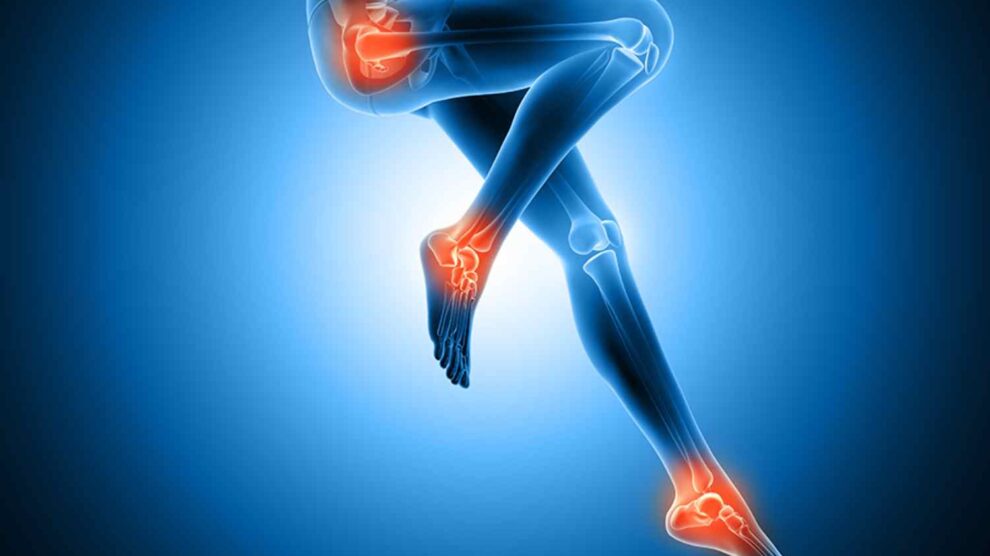
Walking is often treated as the default human movement, something we do without thinking. But after years of desk work, stiff shoes, and minor injuries, many people develop walking patterns that quietly place stress on the hips, knees, and feet. The result is nagging pain that seems to come from nowhere.
The good news is that walking form is highly trainable. Small adjustments to your posture and stride can shift the load away from sensitive joints and toward the muscles designed to handle it. This walking form check covers the most common issues and the simple tweaks that help.
Start With Your Head and Shoulders
Most walking problems begin at the top of the body. When your head drifts forward or your shoulders round inward, the rest of your posture compensates downward.
Keep Your Gaze on the Horizon
Look ahead, not down at the ground. Your eyes should be focused roughly 10 to 20 feet in front of you. This keeps your neck in a neutral position and prevents your head from adding extra weight to your upper back.
Relax Your Shoulders
Many people walk with their shoulders lifted toward their ears, especially when stressed or cold. That tension travels down the arms and into the lower back. Let your shoulders drop and allow your arms to swing naturally from the shoulder joint. Your elbows should stay slightly bent, not locked straight.
Check Your Pelvis and Core
The pelvis is the bridge between your upper body and your legs. If it tilts too far forward or backward, every step sends uneven force through the hips and knees.
Avoid the Anterior Pelvic Tilt
An anterior pelvic tilt happens when the front of the pelvis drops and the lower back arches excessively. This is common in people who sit for long hours. It shortens the hip flexors and puts extra pressure on the lumbar spine and hip joints.
To correct it during walking, gently engage your lower abdominal muscles and think about tucking your tailbone slightly under. You should not be rigid, but you should feel a subtle lengthening in the lower back.
Engage Your Core Lightly
A light core engagement is enough. Imagine zipping up a pair of snug pants. This small action stabilizes the pelvis and prevents excessive side-to-side swaying, which can irritate the outside of the hip.
Look at Your Stride Length
Overstriding is one of the most common walking mistakes. It happens when your foot lands too far in front of your body, creating a braking force that travels up the leg into the knee and hip.
Shorten Your Steps
Instead of reaching forward with your foot, aim for a shorter, quicker stride. Your front foot should land roughly underneath your body, not far ahead of it. This reduces impact on the heel and knee and encourages a smoother roll through the foot.
Increase Cadence Slightly
A higher step rate with shorter steps often feels more comfortable than long, slow strides. Try counting your steps for 30 seconds. Many walkers find that increasing their cadence by five to ten percent reduces joint discomfort almost immediately.
Pay Attention to Your Feet
Your feet are the first point of contact with the ground. How they land determines how force travels up the leg.
Land Softly on the Heel or Midfoot
A gentle heel strike is fine for most walkers, but it should not feel like pounding. Focus on placing the foot down quietly. Imagine you are walking on a quiet surface and do not want to make noise. This naturally encourages a softer landing.
Roll Through the Whole Foot
After the initial contact, your weight should roll from the heel through the arch and off the big toe. Avoid pushing off aggressively from the toes, which can strain the calf and plantar fascia.
Common Pain Signals and Quick Fixes
Use this quick guide if you notice pain in a specific area.
Hip Pain
- Check for excessive side-to-side swaying.
- Engage your glutes slightly with each step.
- Shorten your stride to reduce lateral stress.
Knee Pain
- Avoid overstriding.
- Keep your knee tracking in line with your second toe.
- Reduce downhill walking speed if pain worsens.
Foot Pain
- Make sure your shoes are not too tight or too worn.
- Avoid pushing off hard from the toes.
- Roll through the foot gently rather than slapping the ground.
Practice One Change at a Time
It is tempting to fix everything at once, but that usually leads to stiffness and frustration. Pick one walking form tweak and focus on it for a full week. Once it feels natural, add another.
A simple order works well for most people:
- Head position and gaze.
- Shoulder relaxation.
- Pelvic alignment.
- Stride length.
- Foot placement.
Final Thoughts
Walking should not hurt. If you are experiencing persistent hip, knee, or foot pain, small adjustments to your walking form can make a meaningful difference. The goal is not perfect posture but efficient movement that supports your joints instead of overloading them.
Start with one change today. Walk for ten minutes while focusing only on that single adjustment. Notice how your body responds. Over time, these small posture tweaks become habits that keep you moving comfortably for years to come.



Add Comment